| ||
Brisbane City Council has begun rolling out a new traffic light management system that will improve traffic flow across the city’s most congested intersections.
Lord Mayor Graham Quirk this week announced that Council is introducing the internationally-renowned 'SCATS' traffic management system across the entire road network. SCATS is used to control traffic lights in 142 cities around the world.
Cr Quirk said the SCATS system would allow Council to “flush” congested intersections of vehicles by automatically rearranging the amount of green traffic light time to suit varying demand. This can only be done manually under Council’s current traffic management system. He said it meant traffic operators could also hold a green light for approaching emergency vehicles. 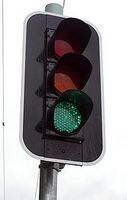 Cr Quirk said SCATS would also allow Council to undertake these functions at a much lower cost than its ageing signal system, which required upgrading and was costing about $1 million per annum to operate versus about $100,000 per annum using SCATS. “Brisbane City Council controls over 850 sets of traffic lights so it’s essential we have a world-class traffic signal system that is adaptable enough to respond to the daily congestion challenges that emerge on our local road network,” Cr Quirk said. “Currently we’re having to flush excess traffic out of intersections about 1500 times a month, which also reinforces the importance of our plan to tackle traffic congestion on local roads by fast tracking 15 years worth of suburban road projects. “While BLISS has served Council well over the last 20 years, SCATS will allow us to get traffic in Brisbane moving again while also driving the ratepayer dollar further.” Cr Quirk said it was expected that SCATS would cost about $3 million to install - well below the price of other options - which ranged up to $16 million. “SCATS is tried and tested - controlling over 32,000 intersections around the world - which means we can basically buy it off the shelf and install it instead of having to create a new system from scratch or spending millions trying to update our old system,” Cr Quirk said. Cr Quirk expected it to take about 18 months to complete the rollout of SCATS and did not expect the works to cause significant disruptions on roads, as they were mainly isolated to signal control boxes. |